When it comes to Alternative Daily Cover Road Base, what you use matters.
Daily cover is not just an end-of-day task. It affects traffic flow, compaction, equipment use, airspace, weather performance, compliance confidence, and overall landfill productivity. The wrong material can slow your crew down, consume valuable space, damage equipment, or create more operational headaches than it solves.
That is why landfill operators should evaluate Alternative Daily Cover with more than a simple price comparison.
A low-cost material is not always the lowest-cost option once you factor in coverage, hauling, consistency, debris, weather delays, and usable performance at the working face. The right ADC should help your team stay productive, preserve airspace, and maintain reliable coverage without adding unnecessary friction to the operation.
Here is a practical checklist to use when comparing ADC options before switching.
1. Compare Usable Coverage, Not Just Weight
Many traditional cover materials are priced and delivered by weight. But landfill operators do not operate by weight alone. They need coverage.
Stone, rock, soil, and mixed filler can be heavy, but weight does not always translate into efficient daily cover. If a material takes multiple loads to cover the same area, it can increase hauling, placement time, equipment use, and total operating cost.
When comparing ADC options, ask:
- How much usable coverage do we get per load?
- How many loads are needed to cover the same working area?
- Does the material spread consistently?
- Does it help preserve airspace?
- Are we paying for usable material or unnecessary weight?
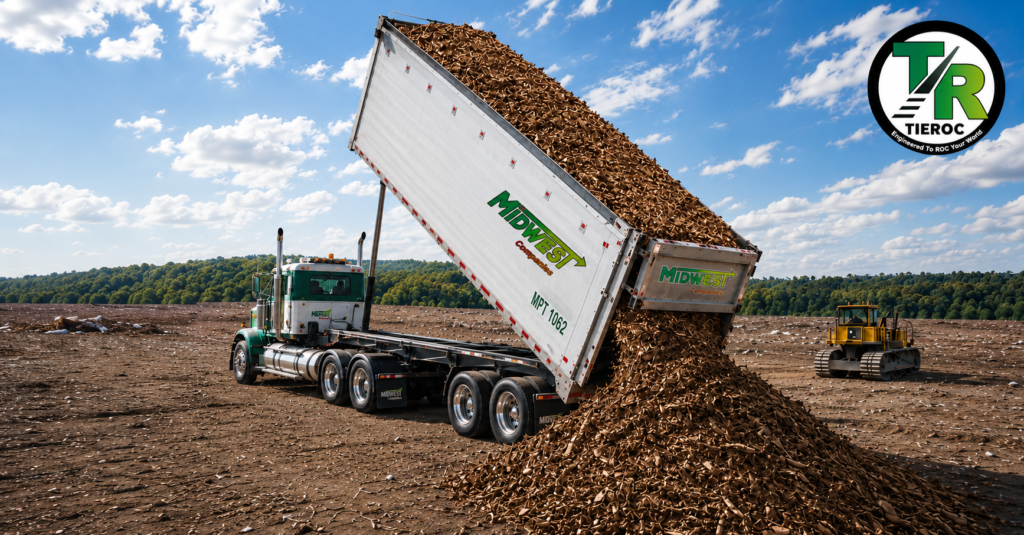
TIEROC® was engineered for volume-based use in real landfill operations. It gives operators a clean wood ADC option designed to deliver more usable coverage per dollar than traditional rock or stone.
2. Look Closely at Material Cleanliness
Not all ADC materials are created equal.
Some cover materials may include mixed filler, garbage, nails, and debris that can create problems for productivity, compaction, equipment, and customers. That can turn a low-price material into a higher-cost operational issue.
Landfill teams should know exactly what is being delivered to the site.
A clean ADC helps reduce unnecessary risk. It also gives operators more confidence that each load can be used as intended, without sorting through questionable material or paying for inbound debris that does not support the operation.
When evaluating cleanliness, ask:
- Is the material clean and consistent?
- Does it contain garbage, nails, or mixed debris?
- Is the supplier transparent about the source material?
- Can the material be applied without creating extra cleanup?
- Will it support a cleaner working face?
TIEROC is made from clean, recycled wood and processed for practical landfill use. It is not mixed trash. It is an engineered material designed to support coverage, productivity, and daily operating needs.
3. Evaluate Consistency From Load to Load
A material may look acceptable once. The real question is whether it performs consistently.
Landfill operators need a cover material they can count on across deliveries, weather conditions, and operating demands. If one load is usable and the next load is full of debris or uneven material, the landfill absorbs the risk.
Consistency matters because crews need to move quickly. They need to know how the material will spread, how it will handle, and how it will perform at the working face.
Before switching ADC materials, ask:
- Is the material consistently sized?
- Is each load similar in quality?
- Does the material spread predictably?
- Can crews apply it without changing the process every time?
- Does the supplier have a reliable production and delivery process?
TIEROC is designed to provide clean, consistent wood material that helps operators reduce uncertainty and keep daily operations moving.
4. Consider Airspace Impact
Airspace is one of a landfill’s most valuable assets.
Every layer of cover material uses space. Over time, that space adds up. Traditional soil, rock, and stone can consume capacity that could otherwise be used for waste placement.
For operators focused on long-term profitability, daily cover should be evaluated through an airspace lens. The goal is not just to cover waste at the end of the operating day. The goal is to do it in a way that supports the site’s long-term performance.
When comparing ADC options, ask:
- How much airspace does this material consume?
- Is the material heavier or bulkier than necessary?
- Does it help reduce reliance on soil or stone?
- Can it support daily cover needs while preserving usable space?
- How does the material affect long-term site economics?
TIEROC gives operators an alternative to traditional cover materials that can help preserve airspace while still supporting practical daily cover performance.
5. Test Weather Performance
Rain, snow, mud, and freeze-thaw conditions expose weaknesses in daily cover plans.
A material that works on a dry day may not perform the same when the working face is wet, soft, frozen, or difficult to access. Weather-related slowdowns can affect traffic flow, turnaround time, equipment needs, and crew productivity.
That is why weather performance should be part of every ADC comparison.
Ask:
- How does the material apply in wet or muddy conditions?
- Does it create or reduce rutting problems?
- Can it help crews maintain access?
- Does it support better maneuverability for trucks and equipment?
- Can the supplier deliver when weather disrupts normal operations?
TIEROC is designed for real landfill conditions. It helps provide a practical surface and clean coverage option when soil, rock, or inconsistent filler becomes difficult to manage.
6. Review Equipment and Truck Impact
Daily cover materials do not just affect the working face. They affect the equipment and trucks that move across it every day.
Heavy, abrasive, or debris-filled materials can increase wear and tear. Nails and metal can create tire problems. Muddy or unstable surfaces can lead to delays, stuck trucks, and extra equipment time.
Before switching, ask:
- Is the material easier on trucks and equipment?
- Does it reduce the risk of tire damage?
- Does it help trucks move more efficiently?
- Does it support cleaner access?
- Will it reduce the need for extra equipment support?
A better ADC strategy should support productivity, reliable road conditions, and efficient turnaround times.
7. Calculate Total Delivered Cost
The price of ADC is not just the price of the material.
The true cost includes transportation, number of loads, usable coverage, application time, equipment impact, wait time, weather delays, airspace consumption, and the amount of material that can actually be used.
That is why a cost comparison should go beyond price per ton.
Ask:
- What is the cost per usable yard?
- How many loads are needed?
- What is the delivery cost?
- How much labor and equipment time is required?
- Does the material help reduce operating delays?
- Does it preserve airspace?
- Is the material clean enough to use without extra handling?
TIEROC helps operators compare the real cost of daily cover by looking at usable coverage, delivery, performance, and long-term landfill value.
8. Confirm State and Site Requirements
Alternative Daily Cover must fit the landfill’s operating requirements.
Before switching materials, operators should confirm applicable state requirements, site conditions, and daily cover performance expectations. The right material should support daily coverage needs while helping operators maintain clean, consistent placement.
A strong ADC supplier should be prepared to provide clear product information and help operators evaluate how the material compares to traditional rock, stone, soil, or filler materials.
Ask:
- What daily cover requirements apply at our site?
- Does this material fit our operating conditions?
- What documentation or review may be needed?
- Are there weather or application considerations?
- How should performance be evaluated?
- How does this material compare to our current cover?
TIEROC can help operators evaluate cost, coverage, delivery, and performance against traditional rock, stone, soil, or filler materials.
9. Ask About Supplier Reliability
Daily cover is a daily operating need. Supplier reliability matters.
Even the best material will not help if it is not available when the site needs it. Landfill operators should look for a supplier that understands landfill urgency, delivery windows, site conditions, and the importance of consistent material availability.
Ask:
- Can the supplier meet our delivery schedule?
- Do they understand landfill operations?
- Can they respond when needs change?
- Are they prepared to support first-time users?
- Can they provide a cost comparison?
TIEROC serves landfill operators across the Midwest with a practical ADC and road base material designed for real-world landfill operations.
10. Start With a Cost Comparison
The best way to evaluate ADC is to compare how the material performs against what your landfill is already using.
A cost comparison gives landfill operators a clearer view of coverage, delivery, airspace impact, truck movement, and total cost. It can also help the team evaluate whether the current cover strategy is supporting productivity or creating avoidable expense.
Before switching, compare:
- Coverage per load
- Application time
- Working-face conditions
- Truck movement
- Equipment impact
- Weather performance
- Material cleanliness
- Cost per usable yard
- Overall operating fit
TIEROC offers a clean, consistent wood alternative for landfill operators looking to reduce reliance on rock, stone, soil, or mixed filler materials.
The Bottom Line
Alternative Daily Cover should do more than check a box.
The right ADC should help your landfill preserve airspace, improve productivity, maintain cleaner placement, reduce unnecessary equipment stress, and support more efficient daily operations.
When comparing options, look beyond the material price. Compare what really matters: coverage, cleanliness, consistency, performance, delivery, airspace impact, and total cost.
TIEROC gives landfill operators a clean, engineered wood ADC designed to support daily cover, road base needs, operational efficiency, and long-term landfill performance.
Ready to see how TIEROC compares to your current cover material?
Request a cost comparison today: greg@mwcompanies.com


